The Ultimate Guide to Caring for Your Quilted Goods
Learn how to care for handmade quilts, including machine quilted and hand quilted quilts made with natural dyes. Washing, drying, storage, and long-term care tips to keep your quilt beautiful for years.
A handmade quilt isn’t just bedding — it’s hours of work, thoughtful materials, and a story stitched into fabric. And if you’ve ever wondered “Can I wash this?” or “Am I going to ruin it?” — you’re not alone!
As someone who designs and sells both machine quilted quilts and hand quilted quilts made with naturally dyed fabrics, I get this question all the time. The good news? Handmade quilts are meant to be used and loved — they just need a little extra care compared to mass-produced bedding.
In this guide, I’ll walk you through exactly how to care for handmade quilts of all kinds, so you can enjoy yours with confidence (and without fear). Let’s keep those stitches strong and those colors beautiful. ✨
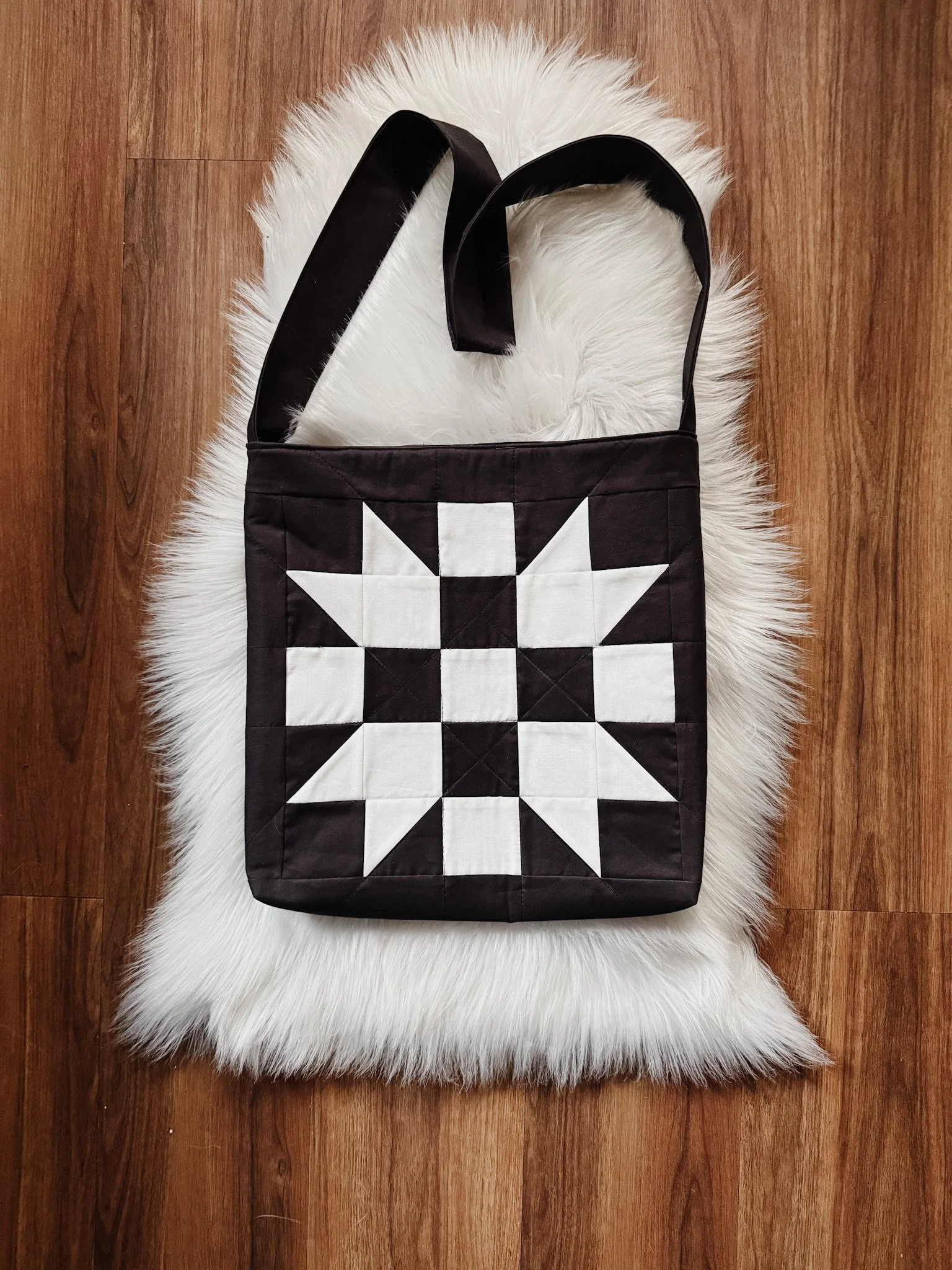
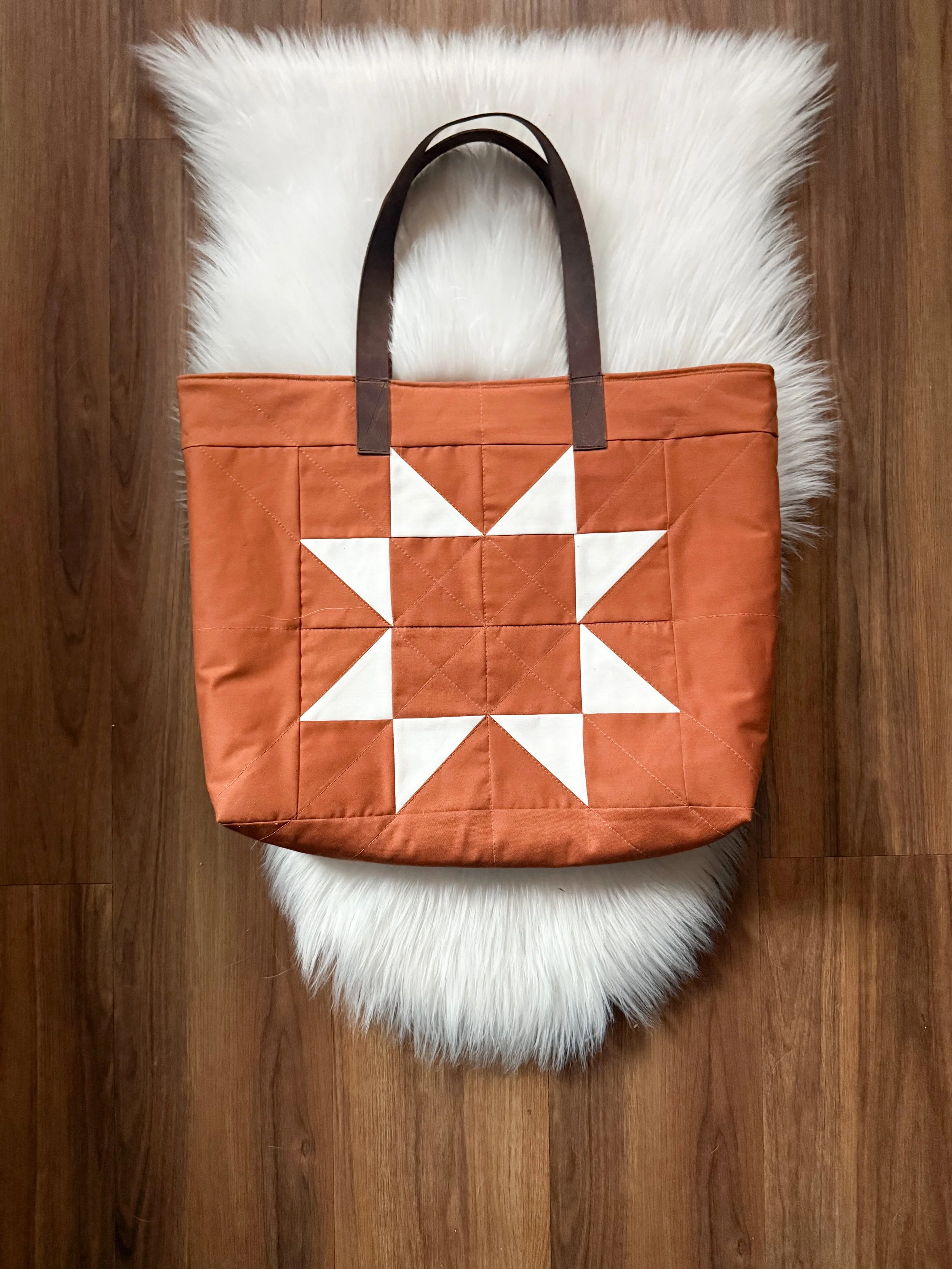
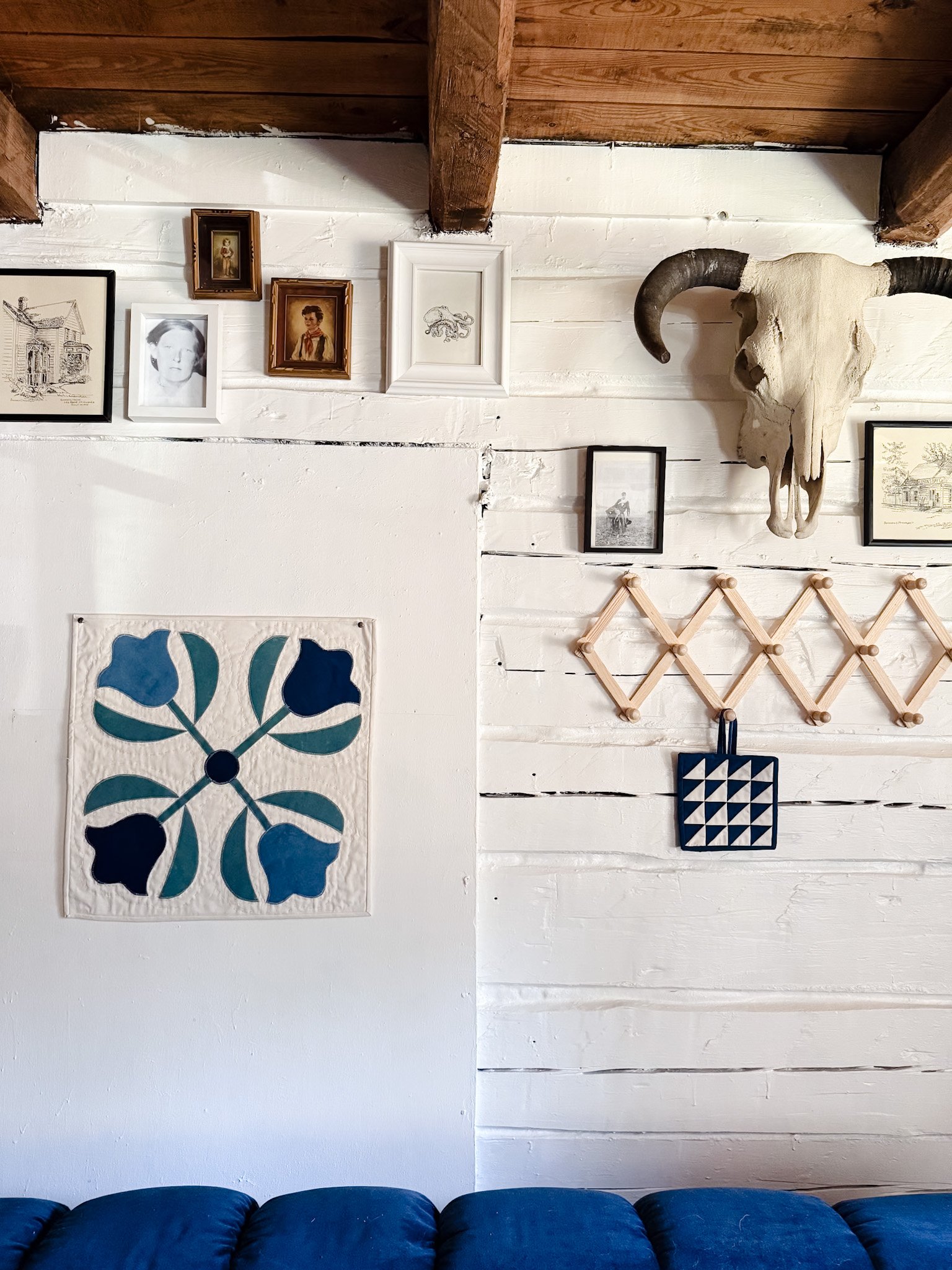
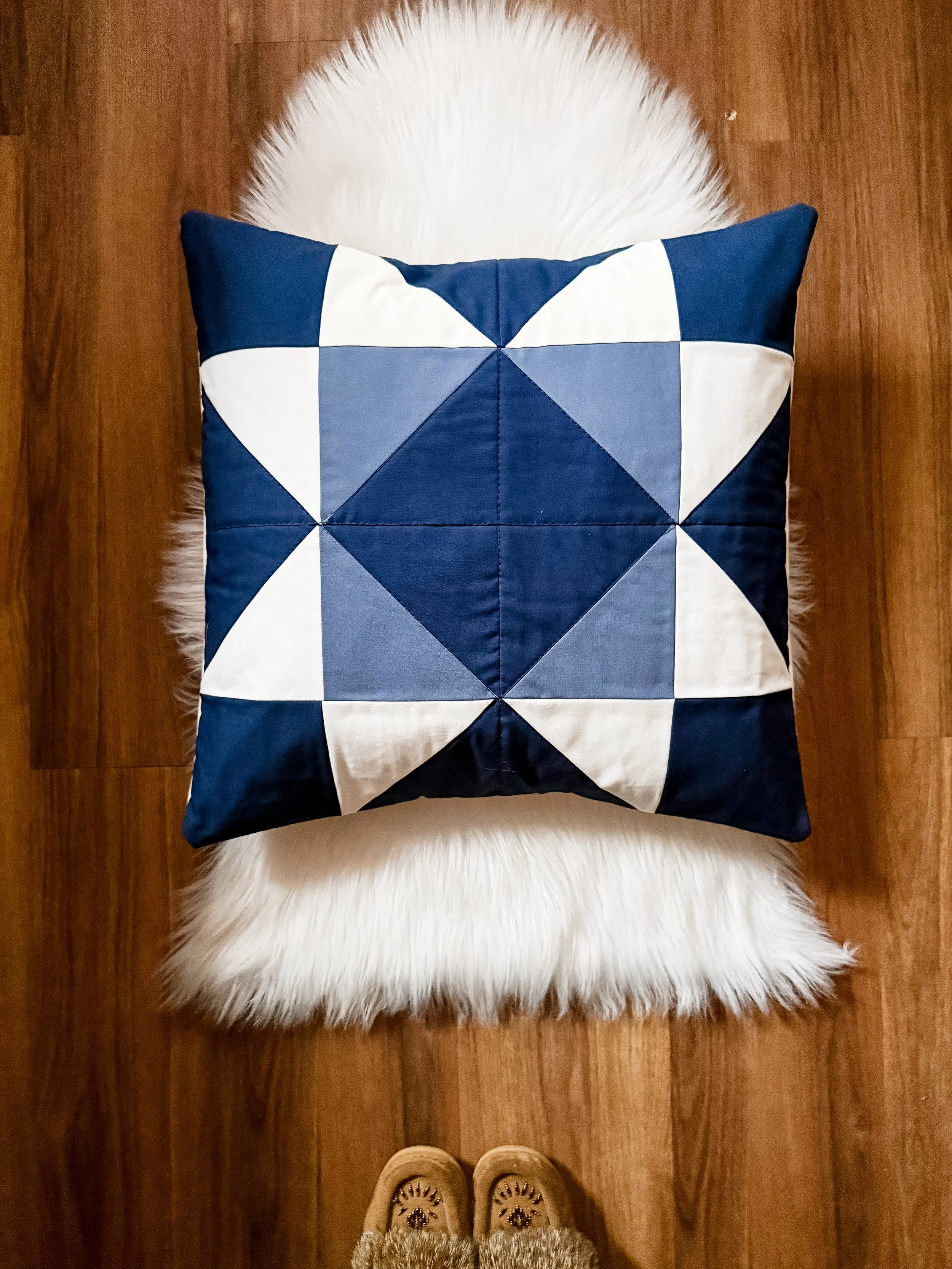
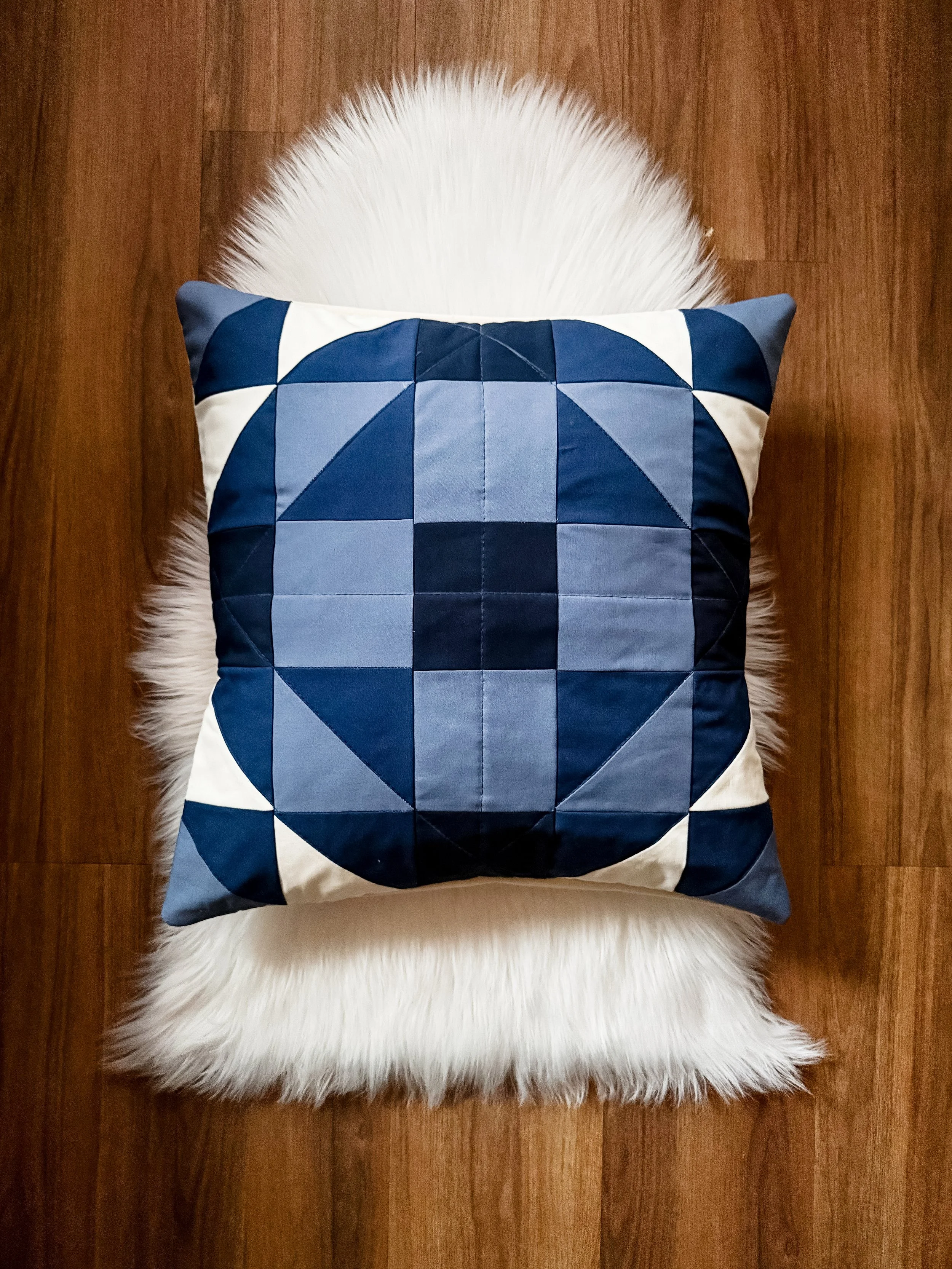
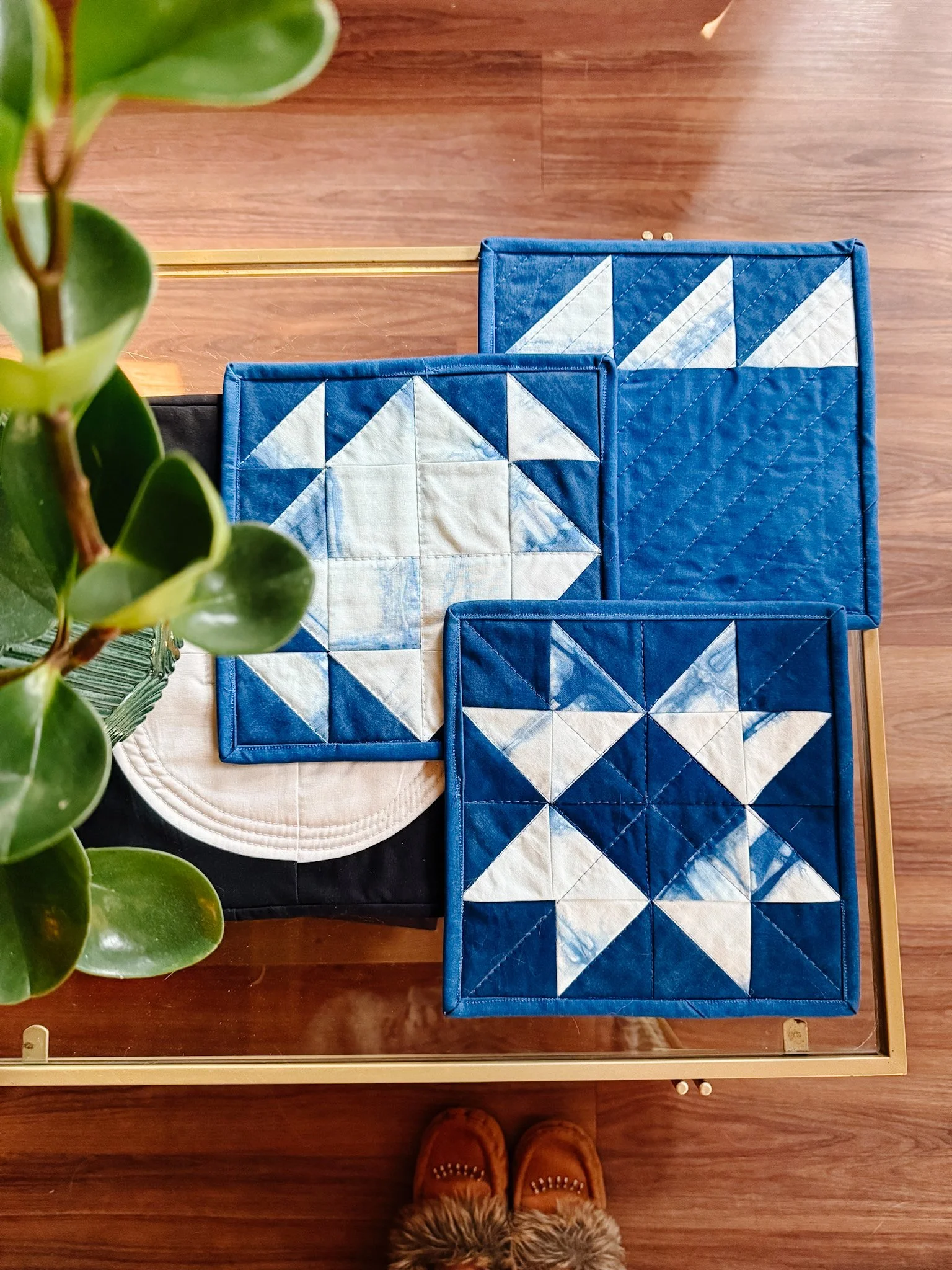
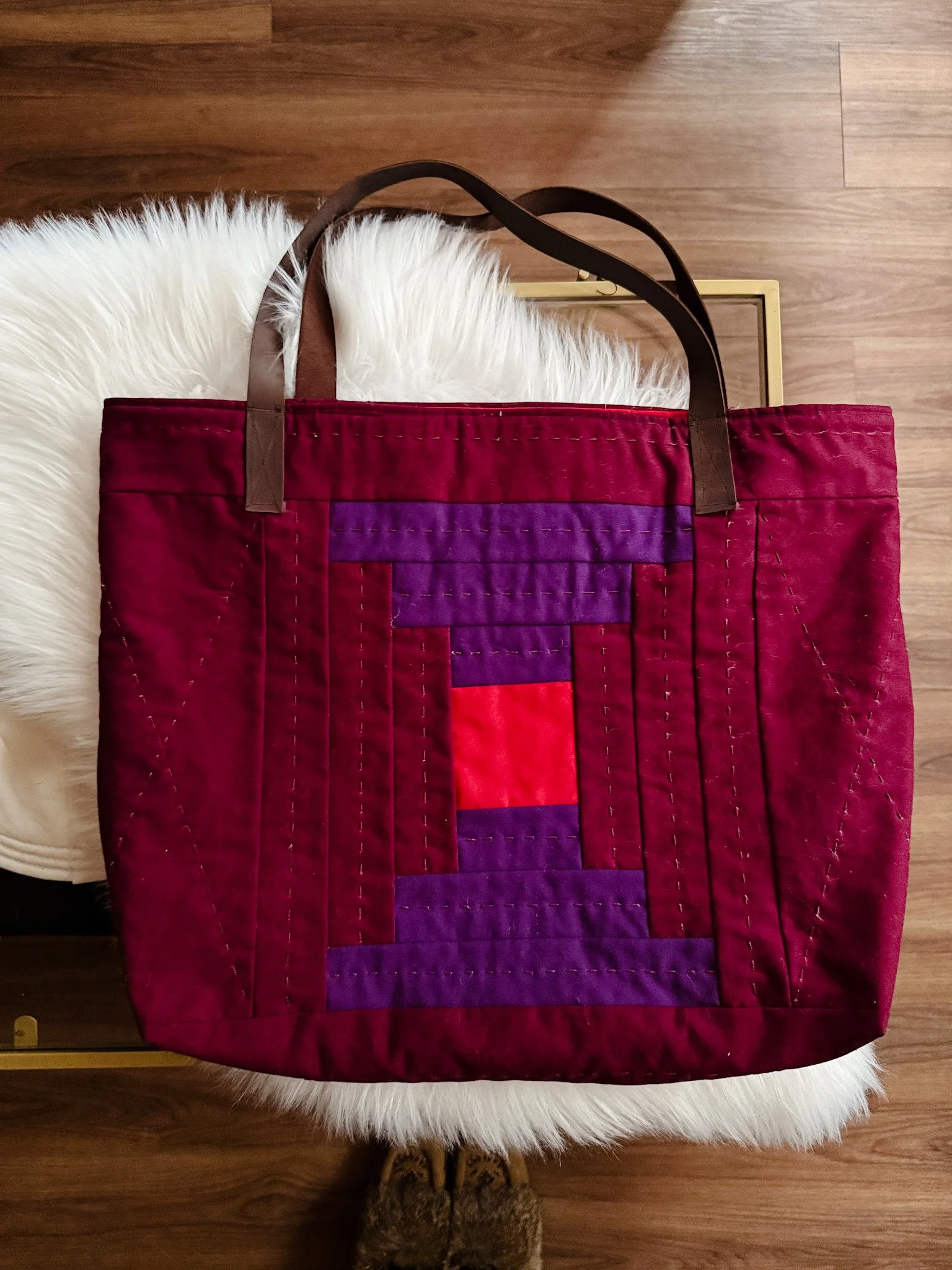
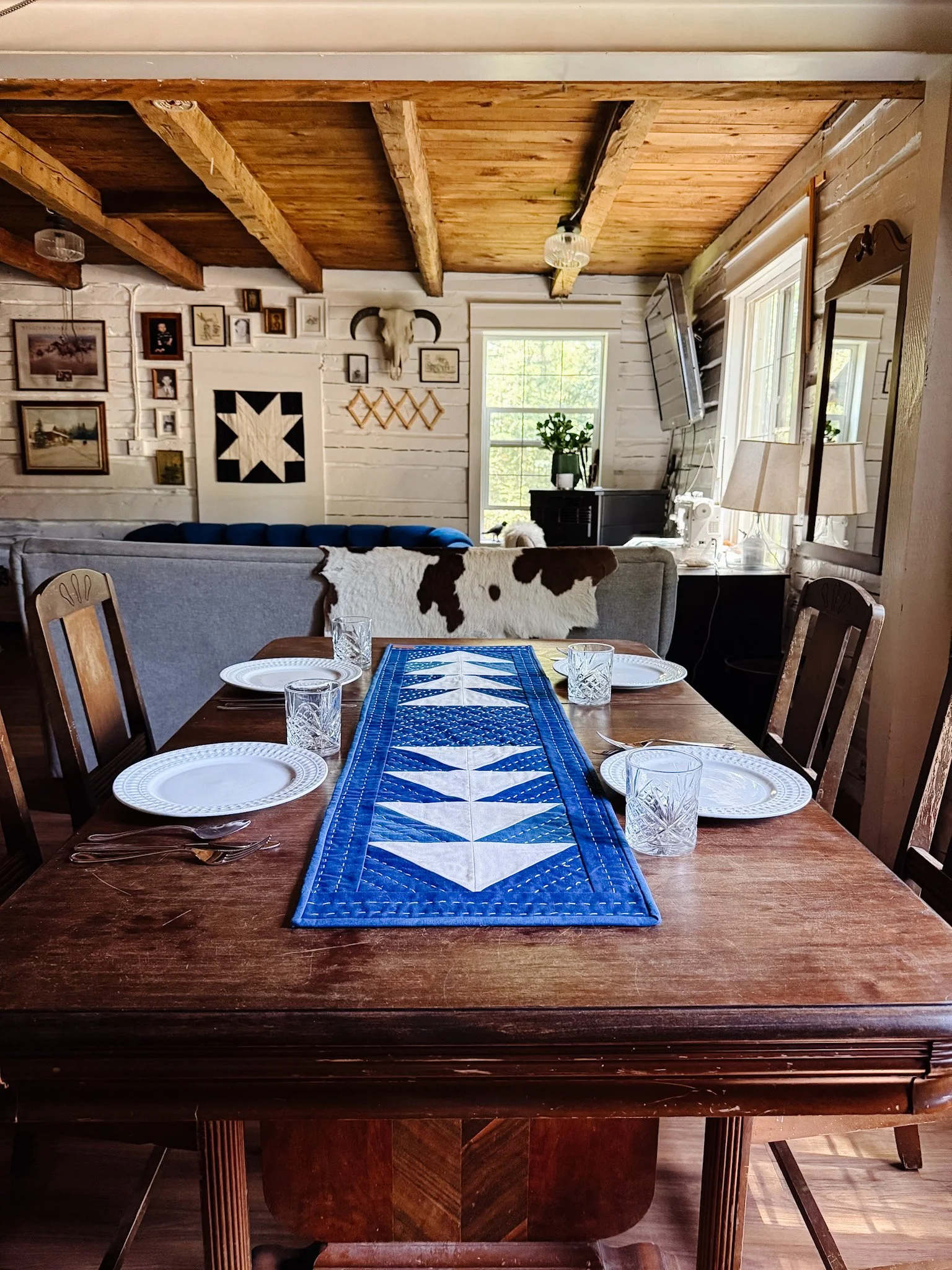
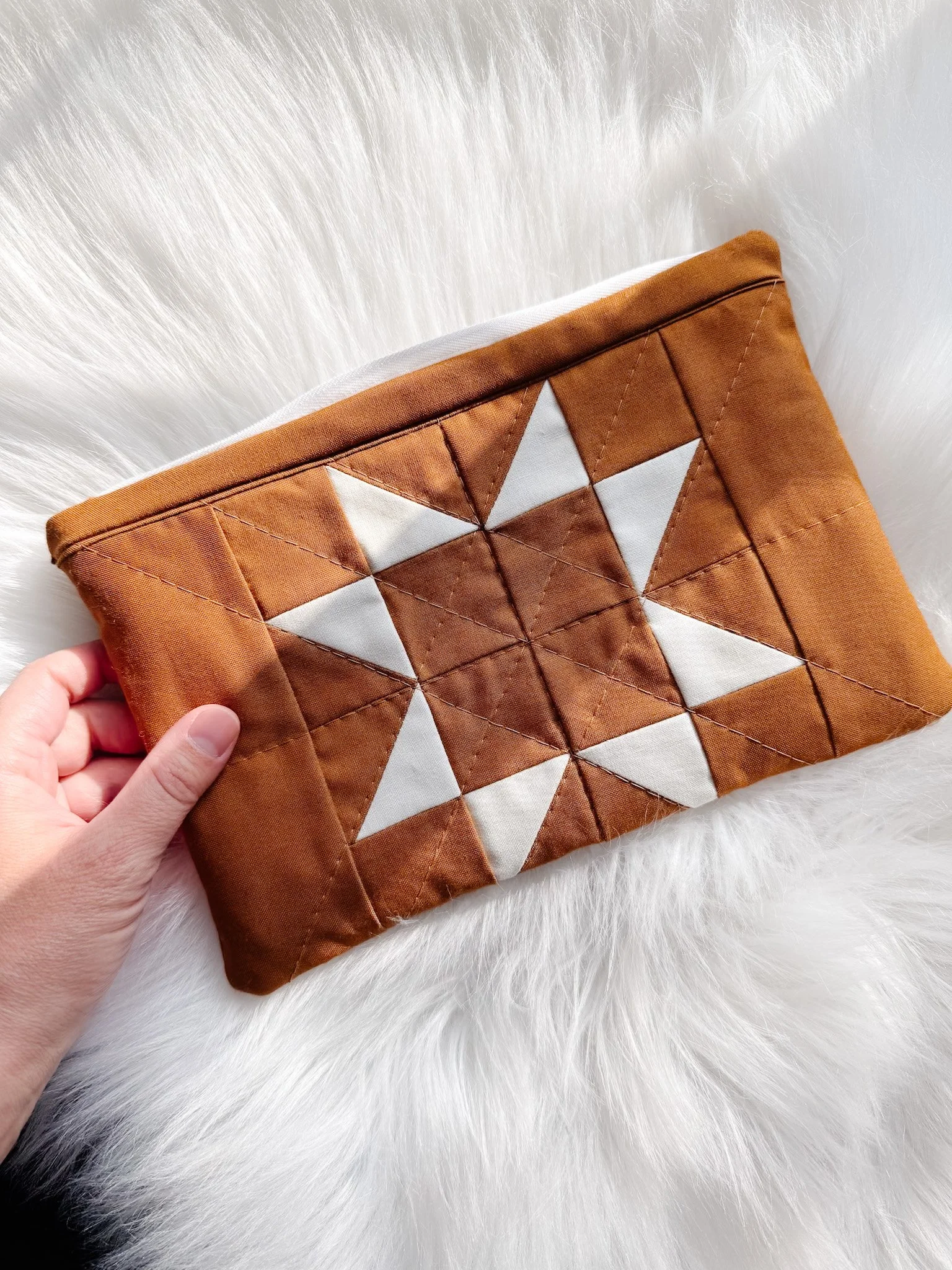
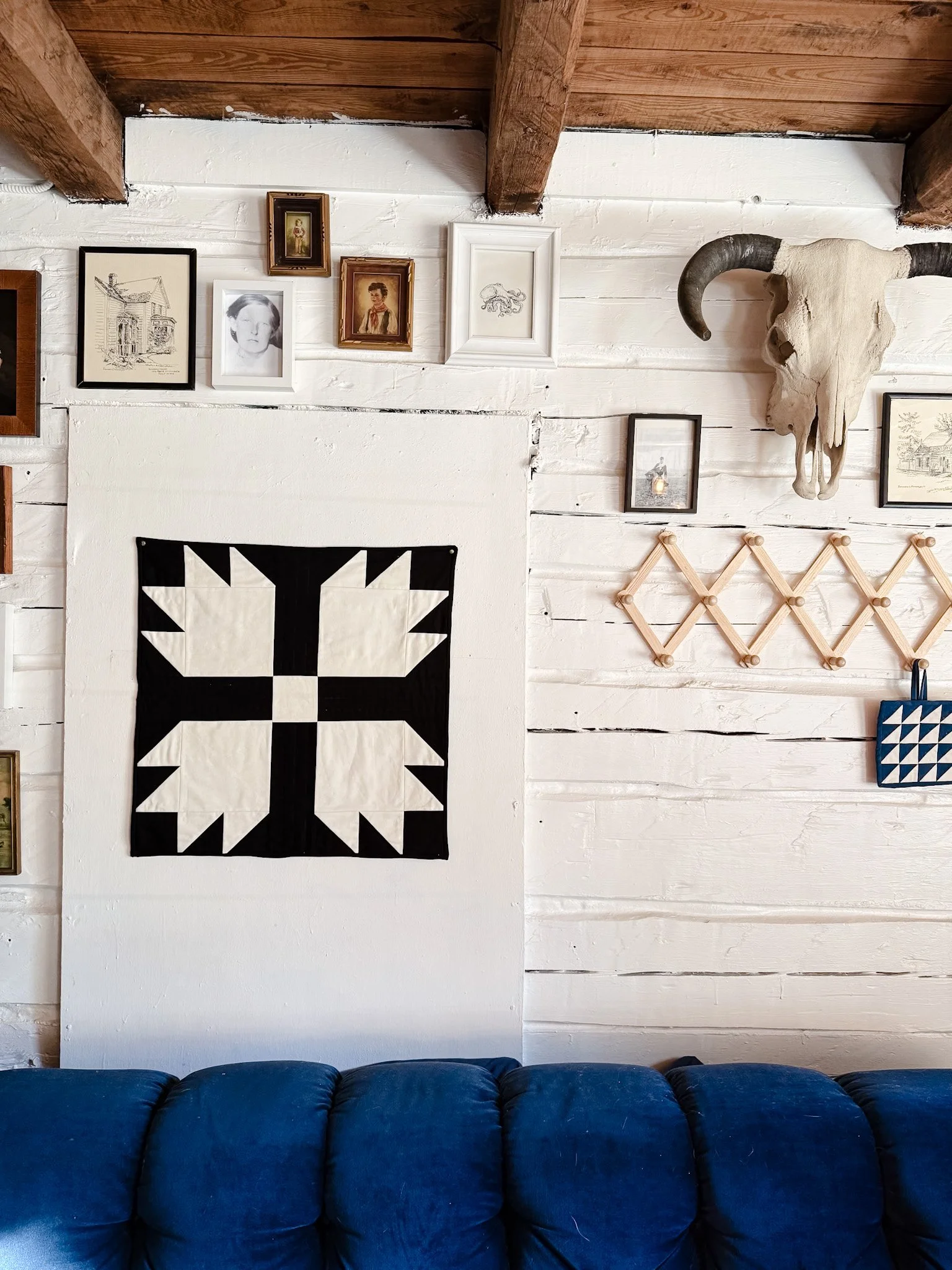



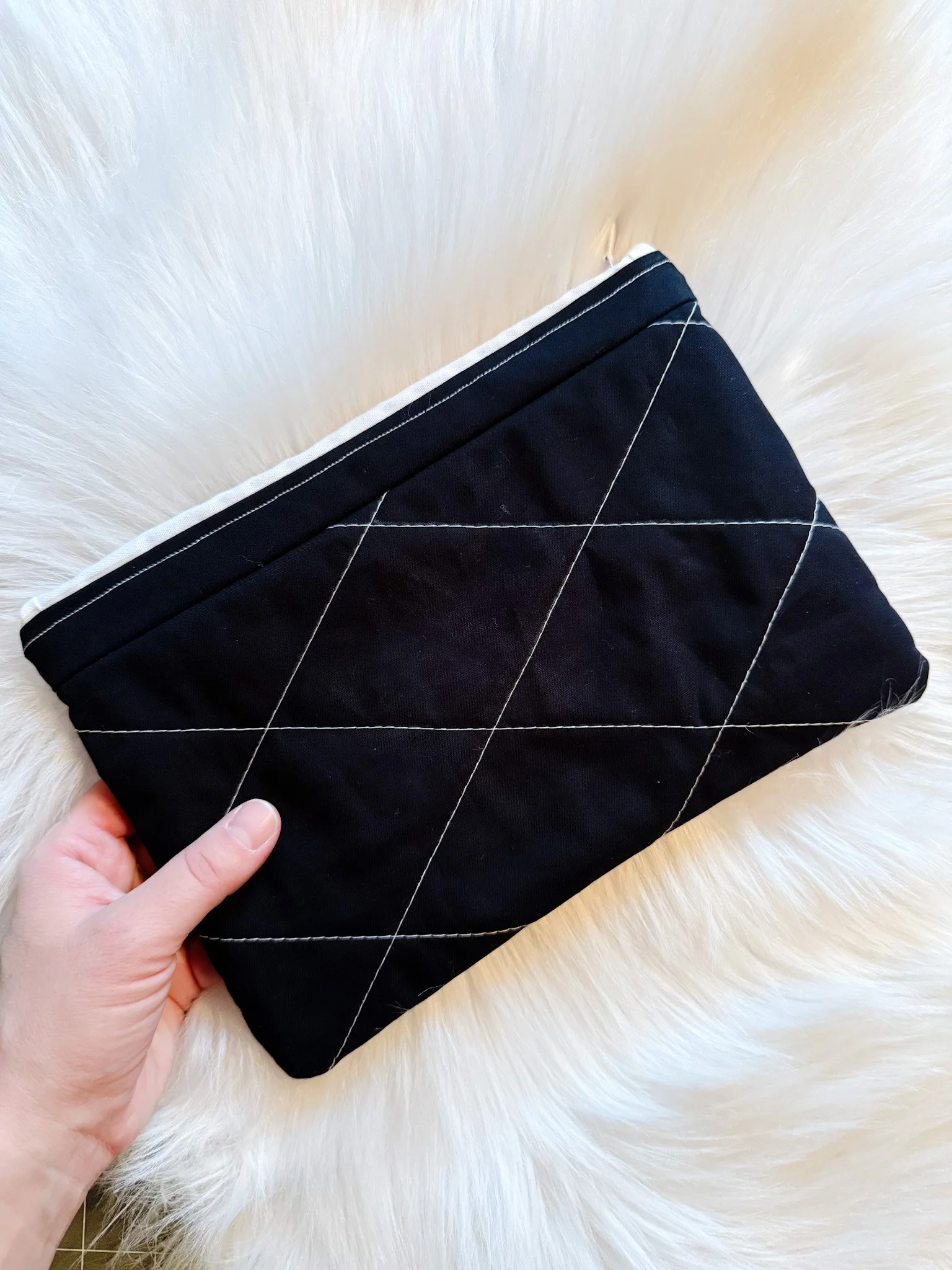
Why Handmade Quilts Need Special Care
A handmade quilt isn’t the same as something pulled off a big-box shelf — and that difference matters when it comes to care.
Mass-produced quilts are built for speed. Fabrics are pre-treated, stitches are tight and uniform, and durability often comes from industrial processes rather than thoughtful construction. Handmade quilts, on the other hand, are made slowly. Each one involves carefully chosen fabrics, quality thread, balanced stitching, and days — sometimes months — of hands-on work. Just an FYI: I use natural materials from fabric and thread chose to natural dye stuffs.
In my shop, that can mean machine quilting done at a steady pace for strength and longevity, or hand quilting where each stitch is placed by hand, often over naturally dyed fabric. Natural dyes behave differently than commercial dyes, and hand stitching moves differently than factory stitches. That’s not a flaw — it’s part of the character.
Proper care protects all of that work. Gentle washing preserves the integrity of the fabric. Low heat protects the stitches from stress. Thoughtful handling keeps colors rich and prevents unnecessary wear. These small choices help your quilt age well instead of wearing out too soon.
That said — special care does not mean fragile or untouchable. Handmade quilts are meant to be used. Folded, slept under, wrapped around shoulders, tossed on the couch. They just do best when they’re treated with the same intention they were made with.
Use them. Enjoy them. Care for them gently — and they’ll give a lot back in return.
Understanding Quilt Types: Machine Quilted vs Hand Quilted
Not all handmade quilts are built the same, and that’s a good thing. The way a quilt is stitched plays a big role in how it wears over time — and how it should be cared for.
Machine quilting is done using a sewing machine to secure the quilt layers together. These stitches are tight, consistent, and locked in place, which makes machine-quilted quilts especially durable for regular use. They tend to handle gentle machine washing well and are a good choice for everyday life — beds, couches, and anything that gets frequent handling.
Hand quilting, on the other hand, is slower and more tactile. Each stitch is placed by hand, often using thicker thread and longer stitch lengths. Because the stitches aren’t mechanically locked, they have a bit more movement. This flexibility is part of what gives hand-quilted pieces their soft, lived-in feel, but it also means they benefit from gentler handling, especially when washing.
Thread choice matters too. Thicker hand-quilting threads sit more visibly on the surface of the quilt, while finer machine threads sink into the fabric. Stitch length and tension affect how much stress the quilt can handle when wet — longer, looser stitches need more support than tight, compact ones.
This is why care instructions vary from quilt to quilt. It’s not about one being fragile and the other being tough — it’s about respecting how each piece was constructed. When you care for a quilt in a way that matches how it was made, it holds up beautifully and only gets better with time.
How to Wash Machine Quilted Handmade Quilts
Machine quilted quilts are made to be used. They’re sturdy, well-constructed, and meant to handle everyday life — but they still benefit from a gentler approach than store-bought bedding.
When to wash vs. spot clean
If the quilt has light marks, a small spill, or everyday smudges, spot cleaning is usually enough. A full wash is best saved for when the quilt truly needs it — after heavy use, long storage, or noticeable soiling. Washing less often helps preserve both the fabric and the quilting stitches over time.
Water temperature
Cold water is your best choice. It’s easier on cotton fabric, helps prevent shrinkage, and protects thread and color. Warm or hot water can stress seams and shorten the life of the quilt. (You may also want to use a color catcher.)
Detergent choices (and what to avoid)
Use a mild, fragrance-free detergent. Look for something without optical brighteners, bleach, or fabric softeners. Those additives can weaken fibers and leave residue in the quilting. A small amount goes a long way — more detergent doesn’t mean a cleaner quilt. Personally, I love using wool detergent like Soak, or Eucalan.
Machine settings that protect quilting stitches
Choose a gentle or delicate cycle with low agitation. This reduces strain on the quilting stitches and keeps the layers from shifting. Avoid heavy-duty cycles, which are designed for towels and denim — not quilted work.
Front-loading vs top-loading washers
Front-loading washers are ideal because they clean through tumbling rather than agitation. If you’re using a top-loading washer, make sure it doesn’t have a central agitator. Agitators can twist and pull at the quilt, stressing seams and stitches. If an agitator is unavoidable, hand washing or using a large commercial front-loader is a safer option.
A good rule of thumb: if you’re ever unsure, gentler is better. Handmade quilts don’t need to be babied — just treated with a little care and common sense.
How to Wash Hand Quilted Quilts with Naturally Dyed Fabrics
Hand-quilted quilts made with natural dyes ask for a slower, gentler kind of care — the same pace they were made with.
Natural dyes like indigo, madder, walnut, and other plant-based dye stuffs bond to fabric differently than synthetic dyes. They’re alive in a way. They shift, soften, and settle over time. That’s part of their beauty — but it’s also why they deserve a little extra attention when washing.
Cold water is your best friend here. It helps protect both the hand stitching and the dye, reducing stress on the fibers and minimizing color movement. Warm or hot water can encourage dyes to release more pigment and can weaken hand-sewn stitches, especially over time.
For washing, hand washing is always the safest option, especially for newer quilts or deeply saturated colors. Use a clean tub or basin, gently swish the quilt in cold water, and avoid wringing or twisting. If you choose to machine wash, do so sparingly and only when needed. Use a gentle cycle, cold water, and wash the quilt alone or with similarly colored items. (You may also want to use a color catcher.) A front-loading washer is ideal, as it’s easier on hand stitching.
Choose a mild, fragrance-free detergent made for delicate or natural fibers. Avoid optical brighteners, bleach, and harsh enzymes — these can strip color and damage cotton over time. Detergents formulated for wool or baby clothes are often a good, safe choice for naturally dyed fabrics. Personally, I love using wool detergent like Soak, or Eucalan.
If you notice some color release during the first few washes, that’s normal — especially with indigo and darker plant dyes. Color bleeding doesn’t mean the quilt is damaged or poorly made. It’s simply excess dye leaving the fabric. This usually settles after the first wash or two, leaving behind softer, more lived-in tones that continue to age beautifully. I do my best to prevent this, but sometimes it can’t be helped.
Think of washing a naturally dyed, hand-quilted quilt less as cleaning and more as care. Gentle handling now helps preserve the stitching, the fabric, and the quiet character of the dye for many years to come.
Drying Handmade Quilts Safely
Drying is where quilts are most vulnerable — not because they’re delicate, but because water adds weight. A wet quilt is heavy, and how you handle it in this stage makes a real difference to how it ages.
Air drying is always the gentlest option, especially for hand-quilted pieces and quilts made with naturally dyed fabrics. Laid flat or draped carefully over a drying rack, air drying allows the quilt to relax back into shape without stress on the stitches. It also protects natural dyes from unnecessary heat, helping colours age softly instead of fading quickly. Never leave in direct sunlight to dry!
Tumble drying can be used sparingly for machine-quilted quilts, and only on a low or no-heat setting. The benefit is softness — a short, gentle tumble can help prevent stiffness. The risk is heat. High temperatures can weaken cotton fibres, shrink batting, and stress both machine and hand stitches over time.
No matter how you dry, support the quilt’s full weight when it’s wet. Lift from underneath rather than by the corners, and avoid hanging a soaking quilt from one point — that’s how stretching happens. Think slow, steady, and evenly supported.
And finally, a quiet rule worth remembering: heat is the enemy of both stitches and dye. High heat can cause thread to break down faster and can permanently shift natural colours. Cooler temperatures, patience, and time will always give you the best long-term results.
A quilt dried gently stays true to its shape — and grows softer and more familiar with every use.
How Often Should You Wash a Handmade Quilt?
Not often — and that’s a good thing.
A handmade quilt doesn’t need the same washing schedule as everyday bedding. In fact, less frequent washing is one of the best ways to extend its life. Every wash, even a gentle one, adds a bit of wear to the fabric and stitching. Over time, that’s what causes thinning, fading, and stress on seams.
For most handmade quilts, washing once or twice a year is plenty — unless there’s a spill, a pet mishap, or it’s being used daily on a bed or sofa. If your quilt is more decorative or used occasionally, you may go even longer between washes.
One simple way to reduce washing? Use a top sheet or cover. When a quilt sits on a bed, a sheet between you and the quilt takes the brunt of everyday use — body oils, skin contact, and minor messes — meaning the quilt itself stays cleaner for longer.
Seasonal changes matter, too. Quilts used heavily in winter may need a gentle wash in spring before being stored away. Summer quilts, or those used lightly, often just need a good airing outside on a dry, breezy day. Fresh air does wonders and puts far less strain on the fabric than frequent washing.
A well-cared-for quilt isn’t pristine — it’s lived with. Wash thoughtfully, not routinely, and your quilt will age softly and beautifully over time.
Spot Cleaning and Everyday Maintenance
Most of the time, a handmade quilt doesn’t need a full wash. Small marks and everyday wear can usually be handled gently, right where they happen — and that’s often the best approach.
How to safely spot clean small marks
Start simple. Use cold water, a soft white cloth, and the lightest touch possible. Dab — don’t rub — working from the outside of the mark inward. Patience matters here. Slow, gentle blotting protects both the fabric and the stitching, especially on hand-quilted pieces.
Best tools for gentle stain removal
A clean cotton cloth, a soft sponge, or even your fingertips are often enough. If needed, use a very mild soap diluted heavily with water. Avoid anything scented, brightening, or enzyme-based — these can be too harsh, particularly for naturally dyed fabrics. When in doubt, less is more.
What stains should not be treated at home
Oils, grease, ink, wine, and set-in stains are best left alone. Aggressive scrubbing or strong cleaners can do more harm than the stain itself, especially on hand-quilted or naturally dyed quilts. If something serious happens, it’s okay to pause and ask for advice before trying to fix it.
Quick refresh tips between washes
Sometimes a quilt just needs a breath of fresh air. Lay it flat in a shaded, well-ventilated space for a few hours, or drape it loosely over a railing indoors. This helps release odors and brings the fabric back to life without unnecessary washing.
The goal is care, not perfection. A few signs of use are part of what makes a quilt feel at home.
Storing Handmade Quilts Long-Term
When a quilt isn’t in use, how it’s stored matters just as much as how it’s washed. A little care here goes a long way in preserving the fabric, stitching, and quiet beauty of a handmade piece.
Fold gently, and change it up.
Avoid folding a quilt the same way every time. Sharp, repeated creases can weaken fabric over the years, especially along the same fold lines. I like to fold quilts loosely and refold them differently every few months if they’re being stored long-term. If you have the space, rolling a quilt around a clean cotton sheet is even better — it supports the fabric without stressing the stitches.
Let quilts breathe.
Handmade quilts are happiest when air can move around them. Breathable storage helps prevent trapped moisture, musty smells, and fabric breakdown. Cotton pillowcases, fabric storage bags, or a clean sheet tucked around the quilt are all good options.
Skip plastic bins and vacuum bags.
Plastic containers and vacuum-sealed bags may seem tidy, but they trap moisture and can cause fabrics — especially naturally dyed ones — to age poorly. Over time, plastic can also transfer odors or encourage mildew. Quilts need room to breathe, not to be sealed away.
Mind light, moisture, and pests.
Store quilts in a cool, dry, dark place. Prolonged exposure to light can fade fabrics, and damp areas can lead to mildew. Avoid basements and attics if possible. To deter pests, skip mothballs and use natural options like cedar blocks or lavender tucked nearby (not directly against the quilt).
Stored this way, a quilt rests safely until it’s ready to be used again — just as soft, steady, and familiar as the day it was folded away.
Using and Loving Your Handmade Quilt
Quilts aren’t meant to live folded on a shelf or tucked away for “someday.” They’re meant to be part of everyday life — thrown over the back of a chair, pulled up on a cold morning, spread out for a nap, or carried from room to room as the seasons change. A quilt only becomes itself once it’s used.
One of the quiet joys of a handmade quilt is how it changes over time. With regular, gentle use, the fabric relaxes, the stitches settle, and the quilt softens in a way that can’t be rushed or replicated. It becomes more comfortable, more familiar — less stiff, more lived-in. This is a good thing. This is the quilt doing what it was made to do.
To help your quilt last for years, rotate how you use it. If it lives on a bed, turn it end-to-end every so often. If it’s used on a sofa, switch which side faces out. These small shifts help distribute wear evenly and prevent stress in the same spots over and over again.
And eventually — whether that’s years or decades from now — your quilt may become something that’s passed along. A reminder of evenings spent under it, hands that stitched it, homes it lived in. The wear tells a story. The softness holds memory. That’s how a quilt becomes an heirloom — not by being saved, but by being loved.
Care Tips for Quilts Purchased from My Shop
Every quilt I make is designed to be used, not tiptoed around — but I do believe good care is part of the relationship. These pieces are slow-made in my cabin, using quality materials and traditional techniques, and a little intention goes a long way in keeping them beautiful over time.
Most of the quilts in my shop fall into one of two categories: machine quilted or hand quilted. Machine quilted pieces are generally more resilient and can handle gentle machine washing on cold when needed. Hand quilted quilts, especially those stitched by hand with thicker threads, benefit from a softer approach — cold water, minimal agitation, and air drying whenever possible. The stitches themselves are strong, but they deserve a bit more respect.
If your quilt includes naturally dyed fabrics, it’s important to expect subtle change. Plant dyes like indigo, madder, or walnut age the way denim does — slowly, gently, and with character. Soft fading over time is normal and part of the beauty. Sudden color loss, harsh bleeding, or patchy light spots usually mean the quilt was washed too hot or with the wrong detergent, not that anything is “wrong” with the fabric.
If you’re ever unsure — especially before the first wash — please reach out. I’m always happy to talk through care for a specific quilt, answer questions, or help you decide the best approach. These pieces are meant to live full lives, and I want yours to do exactly that.
Conclusion
Caring for a handmade quilt doesn’t need to feel complicated or nerve-wracking. Whether your quilt is machine quilted for everyday use or hand quilted with naturally dyed fabrics, a slow, gentle approach will keep it looking good for many years to come.
The goal isn’t perfection — it’s longevity. Wash when needed, handle with care, and let your quilt become part of daily life. These pieces are meant to soften, relax, and show signs of being loved. And if you’re ever unsure how to care for a specific quilt from my shop, I’m always happy to help. A quilt that’s used and lived with only gets better over time.
pin it for later